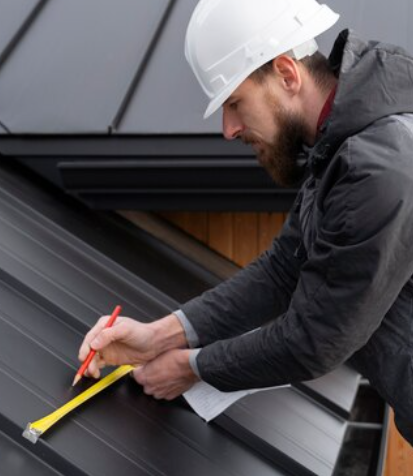
[Image of a plumber inspecting a leaking faucet]
**Inspecting the problem:**
* Look for any visible leaks, drips, or other signs of damage.
* Check the water pressure by turning on a faucet.
* Listen for any unusual noises, such as gurgling or whistling.
[Image of a plumber tightening a pipe connection]
**Tightening connections:**
* Use a wrench to tighten any loose pipe connections.
* Be careful not to overtighten the connections, as this can damage the pipes.
[Image of a plumber replacing a washer]
**Replacing washers:**
* Worn or damaged washers can cause leaks.
* Remove the old washer and replace it with a new one.
* Make sure the washer is the correct size and type for the fixture.
[Image of a plumber using a drain snake]
**Clearing clogs:**
* Use a drain snake or other tool to clear any clogs that may be blocking the drain.
* Be careful not to damage the pipes when using a drain snake.
[Image of a plumber soldering a pipe]
**Soldering pipes:**
* If a pipe is damaged, you may need to solder it.
* Clean the pipe and apply flux.
* Heat the pipe with a torch and apply solder.
* Allow the solder to cool and harden.
[Image of a plumber installing a new toilet]
**Replacing fixtures:**
* If a fixture is damaged or beyond repair, you may need to replace it.
* Remove the old fixture and install the new one.
* Make sure to seal the connections properly.
**Tips:**
* Always turn off the water supply before starting any repairs.
* Use the correct tools for the job.
* Be patient and take your time.
* If you are not comfortable performing the repairs yourself, call a qualified plumber.
Cпасибо, что вы снова с нами и читаете наши материалы. Мы пишем для Вас.